Natural Insect Pest Control

In the air, carpet, counter or cupboard, every home shares it’s resources with these tiny, often unseen invaders. Pesticides are available for most common household insect pests, but these potent chemical compounds may be more harmful to you and the environment than the pests.

Here are some natural, non-toxic ways to control household insect pests.

– Store all dry goods, including pet food, in glass jars or metal containers.
– Keep the surfaces in your kitchen clean.
– Wash dishes immediately after meals. (Pay particular attention to clearing your toaster of any tempting crumbs. If possible, store it out of reach.)
– Don’t leave your pet’s food or water out all day and night. Serve them, let them eat, and then clear the dishes.
– Put a tight cover on your garbage can and compost bin. Use bungee cords as reinforcements if necessary.
– Store your extra blankets in heavy plastic bins.
– Eliminate any clutter. It can be used as a nest, or become the raw material for one.

Try a little aromatherapy: Mice are reportedly deterred by certain strong smells. Make a cayenne pepper or clove potpourri, and scatter it at strategic points throughout your home. Or soak cotton balls in peppermint oil and place them in the problem areas.

Attract an owl: Set up a barn owl nesting box. Attracting a natural predator to your property may help you keep your in-house mice population down.

Try a little strategic landscaping: Eliminate hiding places for mice on your property. Keep woodpiles or compost piles far away from your house. Keep bird feeders well away from your house. Keep bushes that are close to you house well trimmed. Keep tree branches trimmed so that they don’t provide easy access on to your roof.

Takeaway: As with other critters, the best way to deal with mice is to prevent an infestation from occurring in the first place.

Cucumber: place a few peels of cucumber at the entry point of invasion of the pest to repel/deter. Works for ants, cockroaches, and silverfish.

Mint leaves: scatter these in places of infestation to deter ants and flies.

Eucalyptus oil: drop some on cloth and place near areas of infestation of flies and moths.

Soapy water: If you want to instantly kill an insect in your home – Mix water and soap flakes (from something like a bar of Ivory soap) into a spray bottle, you can kill all bugs on contact. This is because the soap component breaks down the waxy exoskeleton and lets the water enter the bug and drown the critters quickly. Sorry bug!

For termites

Sand barriers: sand barriers are a preventative measure that works on an underground termite invasion because those termites cannot tunnel through sand at certain grain-sizes, and sand does not retain moisture, which is crucial to termite colonization. Sand barriers can be applied in crawl spaces under pier and beam foundations, under slab foundations, and between the foundation and concrete porches, terraces, patios and steps. Other possible locations include under fence posts, underground electrical cables, water and gas lines, telephone and electrical poles, inside hollow tile cells and against retaining walls. You need sixteen-grit sized sand and the layer must be at least 4 inches thick in between wood structures and soil. This is a physical method of control rather than chemical and provides long-term protection, but should still be regularly inspected.

Cedar oil: products such as CedarCide’s Agent Gold contain cedar oil, which is apparently very lethal to termites but totally non-toxic, organic, and chemical-free. It is a very effective contact killer and repellent to termites and can be used on any wood structure. The way it works is that the product penetrates the wood and the aromas from the cedar oil disrupt termite (and apparently ants – bonus!) pheromone systems in a lethal manner. The cedar oil also a drying agent and promotes moisture evacuation from the wood, which also helps prevent and eliminate the existence of termites.

Nematodes: these microscopic worms are a good form of termite treatment for chemically-sensitive individuals and environmentally-sensitive areas. Nematodes can be pumped into the infested area and they will kill the termites.

How to Save Water During the Summer

One of the reasons drought hurts us so badly is that we waste a lot of water—not just by taking epic showers and being obsessed with grassy lawns, but by relying on outdated, inefficient water management systems that are built to move water away rather than keep it where it’s needed.

Saving water helps towns and cities protect against drought. It can also help save you time and money. I love that I can claim water conservation as an excuse to avoid hand-washing dishes or the car. And that I can take advantage of all the rebates and incentives offered by many utilities for water-efficient upgrades like water-smart shower heads, or even landscaping with drought-tolerant plants. Expanding conservation and efficiency programs, according to a recent report by NRDC, can reduce water use in cities by one-third or even one-half.

Here are seven easy ways to stop wasting water this summer. You’ll reduce your water bill, save yourself some time, and help reduce pollution, too.

1. Water your yard in the morning or evening. Water evaporates quickly when the sun is high, so sprinkle when it’s more likely to stay in the soil. And make sure you’re watering your yard, not the sidewalk or driveway. A drip irrigation system works better than sprinklers, as it sends targeted amounts of water exactly where you want it. Check to see if you qualify for a rebate to make your irrigation system more water efficient.

Remove your thirsty turf grass and replace it with a beautiful drought-tolerant garden that doesn’t need precious drinking water, or mowing. You’ll save money on your water bill–your water supplier might even pay you for every square foot of grass you remove.

2. Check for leaks with the toilet test. Put a few drops of food coloring or a dye tablet into your toilet tank. If the color shows up in the bowl, your tank is leaking, silently wasting up to 100 gallons of water a day. I tried this myself, and sure enough, found a leak. An inexpensive rubber flapper may be all you need to fix it; just be sure the replacement flapper is made to fit your toilet’s make and model.

3. Shorten your shower. Trimming just two minutes off your shower can save up to 1,750 gallons of water per person in your household each year. Another easy trick is to turn the water off while you soap and/or shave. You can also capture the water that’s normally wasted while you wait for the shower to warm up by collecting it in a bucket—use it for watering plants. If you plan to re-use soapy water in your garden, make sure your soap is safe for plants.

Install water-efficient shower heads, toilets, faucets, or an Energy Star washing machine to eliminate thousands of gallons of water waste each year. You might even qualify for a rebate.

4. Use the dishwasher. Hand-washing your dishes can use up to 27 gallons of water, compared to just 3 gallons for a new Energy Star-rated dishwasher.

5. Cover the pool. If you’re fortunate enough to have a backyard pool, make sure the water stays in it instead of evaporating—cover your pool when you’re not using it, even in the summer.

6. Go to the car wash. Washing a car at home can easily use 100 gallons of water, not to mention an awful lot of time and effort; commercial car washes often use only 40 gallons or less of fresh water.

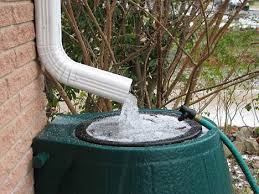
7. Get a rain barrel. Collect the water that streams off your roof when it rains by setting up a rain barrel underneath your gutter’s downspout. Reuse that water in your garden instead of letting it push motor oil, pet waste and garbage from the streets into local rivers.

Rain barrels are just one of several smart strategies that catch or soak up rain water where it falls. Green roofs, porous pavement, rain gardens, and other water-saving techniques are called green infrastructure. More cities and property owners are choosing to invest in these strategies as a way to save water, reduce pollution, and save millions or billions of dollars over the cost of building new tanks, tunnels, and traditional water infrastructure.

Homemade Fertilizer

As a response to environmental concerns on global warming, a movement was started promoting the “organic” way of life. It essentially encourages people to lessen their carbon footprint by consuming organically grown foods and even growing their own organic gardens, among others. While some people found it easy to grow their own food, others who were not used to the gardening and farming way of life found it rather challenging. Thankfully, there is an abundance of information shared by concerned individuals on how to start organic gardening and farming. One of the most useful information, however, remains to be how to make homemade fertilizer because it will be greatly needed if the plants are to survive.

First: Soil Test

The first thing one has to do before proceeding to even gather materials to make fertilizer is to test the soil. This is very important because it will help give an idea of what nutrients the soil lack and what type of fertilizer ingredient can help supplement it. This can be done by getting a sample to a professional in a soil-testing laboratory who can test it for a fee. Once the soil is tested and the lacking nutrients, if any, are determined, gathering materials would be the next step.

Readily Available Materials

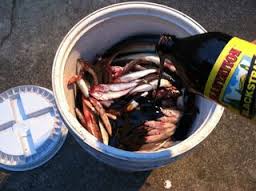
There are a lot of materials that can be used in making fertilizers at home. These materials can be easily found mostly in the kitchen. Examples of such materials would be eggshells, coffee grounds, vegetable peelings, fruit peelings, molasses, and tea grounds. Some other materials are the less pleasant smelling ones because it involves wastes such as horse, chicken, or basically any kind of animal manure. Dog, cat and rabbit droppings have been recommended by gardeners as well. The availability of manure as fertilizer materials will, however, depend on whether you live in or near a farm or you own at least one or two of those animals.

Particular Uses

It goes without saying that materials for the homemade fertilizer will first have to be gathered. However, if there is a particular type of plant one is working on, it might be a good idea to do some reading on what type of plant the materials are best for. For instance, coffee grounds are particularly best for plants that need much acid such as roses, tomatoes, and blueberries. Banana peelings work wonderfully for roses too. Egg shells help peppers and tomatoes produce a robust yield. Vegetable peelings work best for cucumbers, roses, cabbages, and leafy greens. Rabbit droppings, when mixed with other materials, help wonderfully with growing tomatoes.

How to Grow Your Own Food With Backyard Gardening

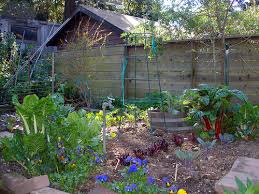
If you still aren’t convinced, consider these benefits of backyard gardening:

Improve your family’s health. Eating more fresh fruits and vegetables is one of the most important things you and your family can do to stay healthy. When they’re growing in your backyard, you won’t be able to resist them, and their vitamin content will be at their highest levels as you bite into them straight from the garden. Parents, take note: A study published in the Journal of the American Dietetic Association found that preschool children who were almost always served homegrown produce were more than twice as likely to eat five servings of fruits and vegetables a day—and to like them more—than kids who rarely or never ate homegrown produce.

Save money on groceries. Your grocery bill will shrink as you begin to stock your pantry with fresh produce from your backyard. A packet of seeds can cost less than a dollar, and if you buy heirloom, non-hybrid species, you can save the seeds from the best producers, dry them, and use them next year. If you learn to dry, can, or otherwise preserve your summer or fall harvest, you’ll be able to feed yourself even when the growing season is over.

Reduce your environmental impact. Backyard gardening helps the planet in many ways. If you grow your food organically, without pesticides and herbicides, you’ll spare the earth the burden of unnecessary air and water pollution, for example. You’ll also reduce the use of fossil fuels and the resulting pollution that comes from the transport of fresh produce from all over the world (in planes and refrigerated trucks) to your supermarket.

Get outdoor exercise. Planting, weeding, watering, and harvesting add purposeful physical activity to your day. If you have kids, they can join in, too. Be sure to lift heavy objects properly, and to stretch your tight muscles before and after strenuous activity. Gardening is also a way to relax, de-stress, center your mind, and get fresh air and sunshine.

Enjoy better-tasting food. Fresh food is the best food! How long has the food on your supermarket shelf been there? How long did it travel from the farm to your table? Comparing the flavor of a homegrown tomato with the taste of a store-bought one is like comparing apples to wallpaper paste. If it tastes better, you’ll be more likely to eat the healthy, fresh produce that you know your body needs.

Build a sense of pride. Watching a seed blossom under your care to become food on your and your family’s plates is gratifying. Growing your own food is one of the most purposeful and important things a human can do—it’s work that directly helps you thrive, nourish your family, and maintain your health. Caring for your plants and waiting as they blossom and “fruit” before your eyes is an amazing sense of accomplishment!

Stop worrying about food safety. With recalls on peanut butter, spinach, tomatoes and more, many people are concerned about food safety in our global food marketplace. When you responsibly grow your own food, you don’t have to worry about contamination that may occur at the farm, manufacturing plant, or transportation process. This means that when the whole world is avoiding tomatoes, for example, you don’t have to go without—you can trust that your food is safe and healthy to eat.

Reduce food waste. Americans throw away about $600 worth of food each year! It’s a lot easier to toss a moldy orange that you paid $0.50 for than a perfect red pepper that you patiently watched ripen over the course of several weeks. When it’s “yours,” you will be less likely to take it for granted and more likely to eat it (or preserve it) before it goes to waste.

Even if you don’t have big backyard—or any yard for that matter—you can still grow food. Consider container gardening if you have a sunny balcony or patio or an indoor herb garden on a windowsill. You’ll be amazed at how many tomatoes or peppers can grow out of one pot.

Eco friendly Home remodeling

The New Year is a standout amongst the most foreseen and most commended occasions. It is amid this time when family and companions assemble and offer happy making exercises and mouth-watering dishes to express appreciation for the favors that were gotten the whole year. In any case before the year closes, numerous people additionally humor themselves into different home remodel endeavors and rethink their home as though new. In the event that you are one of those people searching for a few tips, here are a few proposals that can update the look of your home while making it more eco-accommodating.

Include plants back to front.

The arrangement is not by any means the only piece of your property where plants should be planted. Indeed inside your home, you can include a few greens in potted structures. Pick those that become negligible statures. They can be set amidst a focal point table or a side table. It is ideal to pick plants that have light menthol aroma so as to bring a smell that mosquitoes and different creepy crawlies stay away from. You can hang decorative plants in your patio utilizing void plastic containers. Design them on the off chance that you wish.

Utilization tables made of wood or bamboo.

Wood and bamboo are two materials that will never be out of top records regarding the matter of tables. Beside being less expensive than steel and glass partners, they are more eco-accommodating as well. Their sources are renewable. They can likewise diminish the carbon foot shaped impression of your family.

Colorize your dividers with zero-VOC paints.

Paints have long been utilized to change the looks and give new life to sit still spaces. In the event that you are drained with how your divider shows up, this is the ideal time to splat it with new colors and tints through zero-VOC paints. This sort of paint is innocuous to the indoor air. They are denied of chemicals and consequently are non-risky to the wellbeing. Decisions of color relies on upon your state of mind, theme, or what appearance you need to accomplish and give. For the advancing year, general suggestions incorporate earth colors.

Motivate your enclosure with plastic flask constructed divider.

Beside offering void plastic flasks to garbage yards, an alternate eco-accommodating thought with them is for utilization on dividers. With sufficient measure of bond, you can really kill the utilization of empty pieces to structure a divider. Plastic container assembled dividers are beginning to pick up consideration due to its supportability. Some are actually making brilliant examples with the utilization of colored concrete. In the event that you are still void of this thought, you can scan the web and search for examples and impulses.

To be sure the New Year is a standout amongst the most suitable times to do home redesign. Be that as it may a property holder ought to always remember to remember that with changes, the earth ought to dependably be considered, particularly nowadays when green endeavors are emphatically pushed through.

EcoFarm Facts That You should know

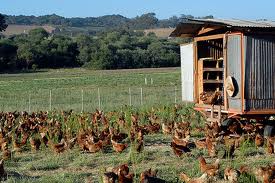
Cantisano, a legend in natural cultivating circles, is a ninth-era Californian who experienced childhood in San Francisco. His extraordinary granddad was a steers farmer, yet later eras turned to urban interests.

For Cantisano, that trajectory changed in the 1960s, when the collective he fit in with began a characteristic sustenance community. That prompted an offer for the dissemination system to go into cultivating ashore claimed by a part’s grandparents. Cantisano later dispatched Peaceful Valley Farm Supply in Nevada City to address the needs of natural agriculturists. He utilized his client rundown to arrange the first meeting.

“We perceived there was a deficiency of training and celebratory open doors for natural agriculturists,” Cantisano said.

In those days, he said, natural cultivating was a “bit” in agribusiness, everything except undetectable.

Today, natural generation has run standard with retail goliaths like Walmart and Costco as merchants, and worldwide producers like Watsonville-based Driscoll’s getting into the activity. As per U.s. Division of Agriculture, offers of natural products multiplied somewhere around 2004 and 2012 to $28 billion, and represented more than 4 percent of U.s. sustenance deals that year.

Notice

Regardless of the possibility that they haven’t completely changed over, traditional ranchers have embraced practices created by their natural companions in territories, for example, bother lessening and soil building methods.

“You couldn’t dole out manure in 1980,” Cantisano said. “Assorted types of routine agriculturists utilization manure now for spread yields and natural controls.”

Ecofarm has become as well. The current year’s occasion emphasizes 150 speakers, many workshops, a merchant reasonable and various sidebar occasions. The association is no more constrained to the yearly gathering, however offers instructive open doors as the year progressed.

Cantisano, who claims Heaven and Earth Farm in Nevada County, sold his supply business years back, and essentially makes his living prompting different cultivators. Yet he hasn’t quit learning. He’s anticipating going to a few workshops at the gathering, for example, one on a developing business for U.s. developed herbs utilized as a part of customary Chinese pharmaceutical and an alternate blazing scourge, an ailment that assaults apple and pear trees.

In a few ways, he said, Ecofarm hasn’t changed a bit through the years.

“It gets individuals together to impart information and have some good times,” he said.

Ecofarm Conference

What: Workshops, speakers, tastings, blenders and seller commercial center concentrated on natural generation.

At the point when: Wednesday-Saturday.

Where: Asilomar Conference Grounds, Pacific Grove.

Expense: Opening entire and supper, $50; day passes Thursday and Friday, $170; day pass with lunch Saturday, $65.

Why Rainwater collection important ?

At the point when water supplies in dry spell areas are rare, individuals resort to basic techniques to ration water. Restricted is to gather the downpour water that hits your home and property and keep it from escaping. This doesn’t help the brook quaint little inns or the ordinary supplement dregs disintegration think that some way or another into the deltas, however it does help those people in urban and suburban territories manage the dry season. It’s a predicament, as you need to help nature, however you likewise need to ensure water supplies with the goal that you have the water you need amid serious dry spell periods.

Gathering rainwater sounds really straightforward isn’t that right? It additionally bodes well that a lot of water runs off your top down through your downpour drains. Why aren’t you gathering every last bit of it? Why haven’t homes been fabricated to gather this water, why do they have seepage frameworks off the property into this drains and down the road into storm channels? It’s actual that amid a genuine huge storm you might not have a vast enough gathering gadget to collect all that rainwater, however perhaps you ought to for future use in resulting months for mid year or between rainstorms amid a long dry spell periods.

All things considered, I wish it were that straightforward, yet given me a chance to let you know it isn’t. You see, we make rainwater accumulation exceptionally troublesome in this nation, generally at the city and district levels because of construction regulations and standards.

We have an issue in numerous areas. It appears they would prefer not to permit the allowing of downpour water accumulation. I comprehend why, however with straightforward conventions property holders could gather a decent measure of that overflow water. Unmaintained rainwater holders get to be rearing reason for mosquitoes if not secured and they begin developing green growth. So there are issues with this on the off chance that its not done appropriately – and abandon it to a mortgage holder to disregard their obligations in the rainwater accumulation gadget.

In numerous districts or urban areas in the event that you wish to go get a grant to gather rainwater, most don’t even have the standards set up to permit you to do it, rather they need you to submit your own particular proposal, and they will audit it for you, which could take months. That is really senseless isn’t it, I mean a brilliant individual perusing online and researching how to do it appropriately could presumably make sense of it. Obviously we have heaps of laws to shield Darwin Award Winners from themselves nowadays, along these lines they just don’t permit it on the grounds that they haven’t advanced any guidelines yet.

We require a set of standards across the nation, or if nothing else locally to accomplish this. Given me a chance to recount to you story; I worked with an engineer in San Antonio on a downpour water accumulation for air terminal shelters – that is a great deal of surface range – bunches of water gathering potential – he had a heck of a period persuading organizers that it might be possible securely and the organizers had no premise to judge if his idea was carried out perseveringly, by the way it was, I for one took a shot at the venture

Green Way To Heat Your House

There are numerous individual offerings we can make keeping in mind the end goal to bail the earth out a smidgen. Changing from plastic sacks to reusable ones, for example, is a fine illustration of a little thing we can do to bail the earth out without radically changing the way we live our lives. Regarding warming our homes however, there isn’t much on the substance of it that we can do to make strides. The greater part of our homes are plumbed for focal warming and we haven’t given much thought to where the gas that warms our home originates from. Beside utilizing your warming less (which gets to be profoundly uncomfortable all through the winter months), with focal warming there simply aren’t numerous choices for the green headed property holder. That is the reason in the event that you need to high temperature your home in an eco-accommodating way, you’ve got to look somewhere else.

With regards to green fuel, nothing truly best wood. Completely common, reasonable and clean smoldering, it offers totally all that you’d need from a fuel. Utilizing it as a part of your home, be that as it may, isn’t as simple as you’d like to be. Beside beginning a detached fire in your home (which is never suggested, for reasons of wellbeing and rational soundness), your just alternatives are a wood fuel evaporator (which commonly start at around £6000, without any fuel) or a stove. The stove is the marginally less expensive alternative, however it’ll just hotness one room at once and can cost rather a ton to introduce, obliging some minor building work in your home before you can get running with blazing fuel. As you may have accumulated, wood isn’t the solution for our warming supplications to God.

The answer, rather curiously, comes as power. As we all know, power can (and is) created in different types of courses, some of which are tremendously harming to nature. Some power duties, notwithstanding, are made distinctive and there’s currently an extensive variety of vitality taxes accessible that just draw vitality from renewable sources like wind, sunlight based and wave power. With that set up, you can then take a gander at electric radiators, maybe the greenest system for warming your home. Electric radiators have come far since their innovation and now brag 100% power to high temperature change, which implies no squandered vitality in your home. They additionally accompany clocks and remote controls, importance you can warm each one space for just the length of you have to, or effortlessly warm a solitary room if the others are abandoned.

With a home furnished with electric radiator and an environmentally friendly power vitality levy, you’ll have everything you need to carry on with a greener, more feasible life far from the world devastating parts of fossil energizes

Homemade Windmill Advantages

For the DIY man who is looking to assemble a custom made windmill, it can appear like an overwhelming undertaking. At the same time with the expense of vitality bills constantly on the expand, its getting to be more key to take a gander at renewable wellsprings of vitality, for example, wind, to meet your home vitality needs. In this article you will find 3 basic things that everybody needs to know (or ought to know) before endeavoring to assemble your own particular windmill from home.

Research the Amount of Wind in Your Area

Before you ought to actually considering building your own particular hand crafted windmill, you have to check whether its justified even despite your time. Obviously if you are looking to make custom made windmills for entertainment only, then proceed. In any case on the off chance that you need to produce wind power for homes then it is crucial to figure out the amount of wind your territory gets.

Why? That is basic, when you make your own particular hand crafted windmill generator the more wind your region gets, the more power you will have the capacity to produce from your private wind turbine. This is imperative as the more power produced, the more useable vitality you can make. So wind maps are a basic and simple approach to work out the normal wind speed in your general vicinity. Taking into account this data you can work out the amount of wind vitality you will have the capacity to create.

Discover Good Quality Practical Instructions

When you have discovered that making a windmill is justified even despite your while, now is the ideal time to discover how to make a natively constructed windmill. Presently clearly don’t simply go to your carport or DIY workshop and go to work, suspecting that you will simply work out how to manufacture one. You may to fruitful however why make things hard for yourself. What I prescribe to do is to discover great quality (something what really works) and handy (demonstrates to you subtle elements of best practices to do it) data about making your natively constructed windmill.

So clearly a couple of fundamental parts are important for making your natively constructed windmill, for example, a generator and the wind turbine edges. In any case take after a guide that incorporates insights about these and alternate segments required and how to amass them together. Thusly your possibilities of achievement will be much more noteworthy.

Look for Professional Advice When Needed

Obviously your natively constructed windmill (if built legitimately) is producing genuine vitality which implies power. Presently this may sound basic and fundamental however the truth of the matter is that, in the event that you are not a qualified circuit tester or somebody who realizes what they are doing, it can be hazardous. Regardless of the possibility that your windmill is just producing a little measure of power, it could in any case provide for you a dreadful stun.

Obviously you are in charge you could call your own behavior. However I will say that in the event that you are considering uniting your windmill up to a principle power supply for wind power era, then just let a qualified individual do this, for clear wellbeing reasons.

Last Important Point…

Despite the fact that the 3 discriminating components above are a decent beginning stage for your manufacture, what are the careful orderly points of interest expected to make a natively constructed windmill?

For example, the other fundamental parts to a windmill, how to source these parts at the best value, how to effectively gather them together lastly test your windmill to check whether it lives up to expectations.

For more data and orderly directions on the most proficient method to make a hand crafted windmill you can visit the site beneath.

Paper Recycling Method

For those looking to decrease the waste stream, reusing paper is the ideal approach to do it. Particularly since paper is consistently squandered in huge amounts throughout the entire year. This procedure infers recuperating a considerable measure of fiber from paper, which can be reused and changed into cardboard, new paper or different paper things. The reality of the matter is that reusing paper is not as compelling as metal or glass reusing, however it is an incredible approach to support the nature and moderate the assets.

When you choose to reuse paper, you figure out how to reduce the waste or water, vitality, trees and the quantity of poisons that are emitted by the plants which are changed into paper. Studies guarantee that reusing paper can have a 40% higher viability than building paper from nothing in a natural way. The individuals who need to reuse in an eco-accommodating way can utilize dying non-lethal components, elective vitality and recuperated water keeping in mind the end goal to process the paper (not crisp water).

The buyer is the person who starts the reusing. He or she divides the sorts of paper into reusing canisters. All the paper can be reused, and after that the particular organizations select reflexive, matte or hued paper and cardboard. On the off chance that they don’t have the office to process a sort of item made out of paper, these organizations offer these things to the organizations that have this capacity. At the place that arrangements with reusing, the paper is separated into staples, sorts, paperclips, and so forth., wiping out the contaminants.

The following step is to shred the paper and blend it with water. This mix is like a mulch that is handled through drenching and mixing. A while later, the mash is used to create new paper, paper making screens, cardboards or paper protection. On the off chance that the procedure obliges it, the mash can be dyed even before embellishment it into new paper. If not, the mash can safeguard its characteristic state.

In uncommon cases is paper reused totally, and that is on account of the filaments existent abbreviate while they are prepared. It must be joined with virgin mash so as to make a solid and tough paper. Notwithstanding this, the greater part of paper has a novel capacity of reusing: before getting depleted, paper can be reused between 4-6 times. For this situation, the strands that get abbreviate are wiped out on the grounds that they can’t be utilized. The reused paper incorporates marks that show the rate of the substance with a specific end goal to guide the buyer.

The waste that remaining parts from the reused paper incorporates fiber that can’t be utilized any longer, inks or different contaminants. All these are known under the name of slime, which sometimes is covered in landfills. Ordinarily, it is spread on the products existent in the fields as mulch, or in distinctive cases, they are blazed keeping in mind the end goal to offer vitality to the organization of paper. Regardless of the possibility that some individuals may say that the blazed slop contaminates, in a few circumstances, this activity is an eco-accommodating approach to power the organization delivering paper. Also that if the slime is utilized as a part of a productive way, the makers can reduce the level of contamination.