Go Green Tips – Go Green At Office

The world community on race campaign chanted “Go Green”. Invites all human beings to care about the fate of this beloved earth. Including you, let us participate in the scope of most small first. One of them, yes in the workplace. Start with yourself. From cubicles (desk) of your own. Want to know how? Consider just the following things you can do to support save our planet Earth!

Save paper
In matters of employment, the use of paper seems inseparable from daily necessities, like you need food to fill the stomach. As obligatory for using paper in order to support their daily work. For example, to make a report to superiors, preparing materials and meeting weekly meetings in the office. Of course, you will print all results from earlier reports and materials on paper, is not it?

When you work in the world of sales, or sales and marketing, which requires you to make presentations to clients, you can bet you’ll need to print so much paper sheet proposal. Not to mention, when working in the finance department, where this section often use a lot of paper as proof of income-expenditure report-payment of vendor-salary employees, and more.

Well, one of the efforts that you can do individually is to have advance awareness to downsize the use of paper. When you do not have to print it out on paper, better not. Just use scrap paper that are no longer used for your use.

Make sure that you prepare in advance of presentation materials you need as a draft so no need to repeat the mistakes that led to the waste of paper in vain. By doing so, you have to skimp. Remember, sorting out any job that requires paper and which are not.

Use your own Cutlery
When in the office provided plastic cups, plastic plates, plastic spoons used as tools to eat and drink daily in current work, start to use it again. Eliminate that habit of using plastic goods Disposable earlier.

Starting this moment, use your own cutlery from home. Use your own cutlery that can be washed and reused. This method has made you help save the earth from destruction, by no longer using equipment made from plastic.

Use Water wisely
Are you the type of person who would ignore the use of water? Well, now is the time to change this bad habit. Perhaps there are many among your office colleagues were unconcerned when using tap water in the office pantry or the toilet. Take a look, maybe you’ve found the tap water is not sealed, so water still dripped continuously. Do you still will be cool and do not care?

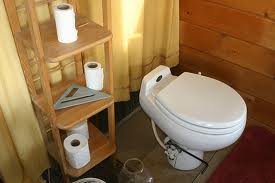
Similarly, in the toilet. When finished using the toilet, quite flushed once, not repeatedly. Begin to care about this. Close the faucet tightly, so that no water is wasted again. Save water when using the toilet so that the faucet not quickly broken.

When you see the water faucets that are already damaged, which will only waste water, immediately notify management of the building where you work in order to be corrected immediately. So, you have participated in preserving the environment in this beloved earth. So, from now on be sensitive to the environment around you, especially in the office.

Save Gas With this Step

The following tips should help you achieve economic way to use fuel economy as well as help protect the environment.
1. Choose car base on your need if only in town choose smaller vehicle (Hybrid)
2. Check the pressure of the tires at minimum once a week, remember that even inflated tires lead to higher gas intake.
3. Maintenance of your car to ensure your car in the right levels of all important engine liquids and keeping all the arrangements in shape can make all the difference.
4. If you keep your car cleaned up, it not only enhances its sheen but also prevents any dirt or snow to create unnecessary drag and frees the engine from working harder.
5. Until it’s absolutely necessary don’t carry extra baggage in the car’s trunk, as it would only increase the weight and force the engine to consume more gas.
6.Drive well within the fuel economy range of your vehicle, if you aren’t already used to driving slow enough then you’d need to make some adjustments here, but be assured that the benefits are real. The difference of gas consumption between speeds of 55 and 65mph can be as big as 2MPG.
7. Accelerating your car like a dragster burns up fuel real quickly, whenever you have to step on the gas do it gradually.
8. If possible rest your left foot on the floor than on the brake pedal, as even a slight press on the brakes could significantly increase the drag.
9. Operate the air conditioner wisely and only when you need it. If you can make do just by opening the windows partially for cool air it’s good. But remember that on highways opening up windows can backfire by creating more drag, so you’re better off with the windows up and the air conditioner on. Further, once the inside weather is cool enough turn down the power of the air conditioner, lest it puts undue pressure on your car’s engine.
10. Pick and choose the gas stations with the best prices in your area, there are lots of websites that keep a track of existing prices in different localities/regions.
11.Making good use of the discount gas schemes or gas rebate schemes of credit and club cards makes a lot of sense even if you save just a couple of cents on each visit to the station.
12. After referring to your owner’s manual, choose the lowest grade of engine oil available. No need to buy the premium grade unnecessarily.
13. Always shut the gas cap tight enough, or else the fuel could leak or evaporate.
14. If you need to travel just a small distance, prefer to walk. Not only would this help save gas but would also get the necessary physical exercise, so often recommended to live healthy.
15. Try to complete all you’re shopping on a single trip instead of visiting the market multiple times. Further, choose a shopping center that stocks a myriad of supplies so that you don’t have to move from one area to another to shop for different items on your list.
16. Always drive moderately, as driving like you were in a great hurry would only make you brake and accelerate erratically, thus burning up more gas.
17. Often not given enough weight though, idling can lead to significant fuel consumption. Avoid your car from idling and you would save quite a lot.
18. Try driving in the highest gear, the lowest gears are meant to get the car moving from the stationary position and cause the engine to consume more power than the higher gears.
19. Imitate truckers while approaching traffic lights. Truckers act wisely by looking ahead to see if the lights are about to turn red and accordingly begin to slow down as stopping is imminent. Further, if the lights are already red and you slowly cruise towards them they might turn green while you’re still rolling. Thus you won’t have to stop at all.
20.Plan your trip so that you can decide upon the shortest route along several stops to complete the trip.
21.Buy a bicycle to use when the trips are too short to be covered by a car and too long to be completed by walking. Determine the yardsticks for too long and too short based on your own preferences.
22.Use public transportation whenever possible, not only can it save gas, but would also free you of the effort and care it takes to drive yourself.
23.Make use of a fuel catalyst, they can either be poured into the fuel tank at other times they need to be installed. The catalysts increase fuel economy by efficiently burning up the gas.
24.Cleaning, properly maintaining and replacing the air filters when needed also helps to augment the car’s efficiency.
25.When you rev up the engine while starting up, and warm up in excess of about 30 – 40 seconds, it leads to undesirable gas consumption. Hence, a warm up of 30 – 40 seconds is just all right for the purpose.
26.Refer to the owner’s manual and follow the manufacturer’s advice for the maintenance schedule.
27.Use the manufacturer recommended motor oil as much and as often as it has been advised.
28.Get your vehicle refueled in the mornings or late evenings when it’s cold. In low temperatures the oil is denser and hence you may get more gas for the same amount of money.
29.Avoid placing luggage on the rooftop unnecessarily as it creates a lot of drag by contorting the car’s aerodynamics. In fact the best thing to do is to remove the roof rack completely, as even an empty rack causes sufficient drag.
30.Avoid using tires that are too broad, they might be fancy but certainly are deterrents to good fuel economy, as they create more drag.
31.Carpooling allows for savings not just for you but also for others around you.
32.Use manual transmission, as an automatic transmission still can’t match your assessment.
33.Choose a route that’s the shortest, has minimum traffic lights and low traffic.
34.Get your car refueled only when the gas is about to run out, this is so as even the weight of the gas can be considered as load that the engine needs to pull, thus leading to a greater gas consumption.

Baking Soda for green way to clean your house

Do not rush to spend a lot of money to buy cleaning the interior of the house. It could be, in fact you already have a variety of natural cleaning agents, that you never aware before

Natural cleaners like vinegar and baking soda, besides cheaper, it is relatively safer than chemicals.

Here’s how to use baking soda for a variety of needs in the house:

The bedroom and living room

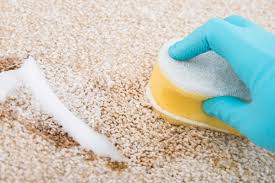
Baking soda can resolve the issues surrounding the odor in the bedroom and in the living room. Before cleaning the carpet using a vacuum, sprinkle baking soda onto the surface and leave for 15 minutes.

Baking soda can also minimize the possibility of odor in the closet. The trick, place baking soda in an open bowl in the cupboard.

Baking soda can “work” for you. In addition to cheap, easy to use way.
Also, use baking soda to clean children’s toys. Wash toys made of plastic by using a solution of a quarter cup of baking soda and four cups of warm water.

Additionally, you can also eliminate the odor stuffed cotton children with the help of baking soda. How, sprinkle baking soda on the dolls, leave 15 minutes, then wash with vacuum.

Bathroom

Clean the bathroom floor with a bucket of warm water and half a cup of baking soda. Also use the basic mix baking soda to clean a variety of surfaces the bathroom.

For rust stains, add vinegar. Mix one cup of vinegar and half canggkir baking soda. Scrub and clean. You can see the results for yourself.

What beauty equipment such as a comb? It turned out that baking soda can clean it up.

Use one teaspoon of liquid soap and a few drops of anti-bacterial essential oils (such as eucalyptus, rosemary, or peppermint) into one cup of baking soda. Add enough water to be able to make a paste. Wipe your bath tub with this paste and sponge or brush.

Soak combs in warm water and a tablespoon of baking soda. After that clean and dry. As a result, the comb back brilliantly.

The exterior of the house

Use baking soda and a damp sponge to clean the furniture on the patio. Take advantage of a basic mixture of baking soda for swimming pool supplies are susceptible to mildew.

In addition, oil and grease stains wash in the garage by sprinkling baking soda directly onto the surface. Brush with damp brush, then rinse. Your home will shine back.

Kitchen

Basic mix baking soda (a quarter cup of baking soda and four cups of warm water) can clean the surface of your kitchen. Use a sponge to clean kitchen surfaces.

Just like in the bedroom, baking soda can also eliminate the odor in the kitchen cabinet by placing an open container of baking soda in it.

For odor in the trash bag, you just have to sprinkle baking soda into the garbage bag. If necessary, periodically clean the trash by immersing its contents using one cup of baking soda and one gallon of water.

Cutlery of silver can shine again. Make a paste using three parts baking soda and one part water. Then, wipe the paste on the surface of the cutlery.

For a variety of stubborn stains on the surface of the plastic, the surface soak for 15 minutes in four parts baking soda and one part warm water. After fifteen minutes, scrub, then dry.

Baking soda can also remove the remnants of dough on a baking sheet that has been used to bake a cake. You only need to sprinkle baking soda onto the surface of the pan, give warm water, soap. Let the pan soak for 15 minutes, then wash clean.

Homemade Drain Cleaner with vinegar and Baking Soda

Supermarkets and providers of goods store household cleaners often provide solutions that effectively clean your drain

Unfortunately, this kind of cleaners generally contain sulfuric acid which is harmful if touched by human skin.

Their contact with human skin alone is cause sunburn, especially if swallowed or splashed into the eyes.

To avoid these side effects, you can use a natural drain cleaners.

Quite simply with a half cup of baking soda (baking), one cup of white vinegar, about four liters of hot water and lemon juice, you can already get a natural cleanser for plumbing.

First, pour baking into the drains were clogged. Baking classified as alkaline which can extract the fat and impurities in the water lines and pipes.

While baking working on the drains, mix white vinegar and lemon juice. Then, pour this mixture into the drains.

Acid in the vinegar will make baking frothy. Agitation process is what will make it easier to rinse the channel.

Let stand for five minutes. After that, pour hot water. The water will clean the foam and dirt.

This process is relatively not spend a lot of time so that you can resume normal activities without fear of haste.

Reduce Waste With Strategy Reduce, reuse, and recycle

During this time, we tend to accept that development is a messy process. But, try to imagine, if in a project, a lot of material left.

The Construction and Demolition Recycling Association estimates, the current construction and demolition produce about 325 million tons of waste each year in the United States.

US Green Building Council estimates that even the construction of buildings only use 40 percent of the building materials used. While 30 percent into a pile of waste in the United States.

Fortunately, there are many opportunities for architects and designers to reduce the numbers of such waste.

Most of us are familiar with the “reduce, reuse, and recycle” or “reduce, reuse, recycle”. The basic principle of this fact can minimize construction waste.

In addition, there are also positive ways used by architects and designers are able to affect the production of waste through design and material specification.

You can define renewable materials, or products with high recycled content. You also can choose materials with low energy content. You can choose to reuse existing materials from buildings that are not used. With
Thus, the people around are not affected by the waste.

Reuse (repurpose)

Not surprisingly, this the most efficient way to reduce construction waste. Repurposing is reusing existing materials to be recycled.

Reuse has also expanded into building materials reclaimed from other projects. Even if it is not
can be renovated, the material structure is still possible to be reused elsewhere.

Demolition or deconstruction

If reuse is not possible and demolition material
indeed necessary, divert waste stream is very important, because the demolition waste much greater volume of construction waste.

When you want to do the demolition, consider using contractors who are seriously looking for materials that can be recycled or reused. This can help to offset the higher costs.

Reducing the size

There are many cases when reusing the existing structure is not possible. In this case, the first priority is to reduce the size of the new building. This is where the ability of a designer can have the greatest impact.

Each square meter can be eliminated in the pre-design phase. This is a substantial saving way so that you do not need to buy a lot of materials, material suppliers do not need to trouble transporting materials to the site, and the contractor does not need to be difficult to install and handle the waste stream.

plan

The design process offers opportunities how to allocate resources. Spaces that has many functions can help reduce the overall load of the material. Try to carefully plan the room built-in or storage solutions that contribute to reducing material. Designers and architects are expert in this case.

prefabricated

housing manufactured in factories with prefabricated process could create lower volume waste streams. Consider using materials efficiently and carefully plan the construction process in a factory environment. The factory also effectively manage the supply chain for the delivery of products. Installation efficiency in the work environment can be conditioned properly.

Recycle (through the selection of materials)

This is another way in which you can do a lot of control in the process of design and construction. You should be aware that there are some materials that contain high amounts of energy, such as concrete, where the cement accounted for about 5 percent of global carbon dioxide emissions.

If possible, specify building products with high recycled content rather than new material.

Aggregate concrete, countertops, carpet, tile, glass, wood and even drywall can all be sourced with a high recycled content. Consider using local materials to reduce waste by minimizing transport and fuel consumption.

Recycle (through the construction site)

In addition to material selection, construction process also goes into planning. You can set detailed waste management plan as well. Waste management plans among other things to divert the waste stream, recycling packaging materials, stockpiling wood for reuse.

Separating waste streams and generally reduce the overall volume of waste generated when the project progresses.

Improve Storm water Management

A rain garden or bioretention cells was depressed areas which contain a porous backfill beneath the surface vegetation. Often, this area has the underdrain to encourage infiltration and filtration, especially in the clay soil. Bioretention cells give the elimination of pollutants, groundwater recharge and runoff containment. They are an effective solution in an urban area or a parking lot, where green space is limited.

Gutters and sidewalks elimination

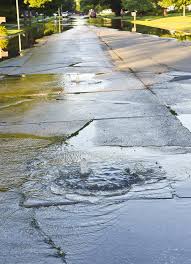
Gutters and sidewalks transport stream very quickly to drain the rainwater without allowing for the elimination of pollutants or infiltration using a filter inlet. Eliminating gutters and sidewalks can reduce the volume of runoff and increase the flow sheet. Maintaining the flow sheet by removing gutters and sidewalks overflow basins to vegetated swales bioretention and helps to prevent soil erosion by rainwater also helps to maintain the hydraulic conditions (pre-development). A level spreader, which is designed to change the channel runoff concentrated into a stream of pieces and distribute evenly across the slopes, can also be incorporated to prevent soil erosion.

grassed swales

They are shallow outlet covered with grass that helps to slow the runoff while facilitating infiltration. Sustainability grassy swales depending on soil type, land use, imperviousness of the watershed that contributes, and the slopes and grassy swales dimensional systems. grassed swales can be used to manage runoff from the drainage area less than four hectares. It is encouraging that you use natural lowland areas and natural drainage program must be utilized.

green park design

This, when applied together, reducing the total contributions parking enclosure. green park design techniques including minimizing the dimensions of the parking space, set the maximum number of parking spaces, utilizing alternative pavers in a crowded parking area, take advantage of the area to treat stormwater bioretention and incentives for structured parking.

infiltration trenches

They are rock-filled trenches without channels. This ditch collects runoff when there is a storm and release it into the ground through infiltration. This trench may be used in conjunction with other devices intended for the infiltration of rain water using filter inlet. This will provide damping peak flow and water quality control. Runoff that contains high levels of hydrocarbons or sediment that could clog the outlet may need to be pre-treated using other techniques such as inlet water quality.

Inlet protection devices

It is also known as hydrodynamic separators and structure of the flow-through with the separation or settling unit to remove oil, trash, grease, etc. You can use this technology for pre-treatment of the other inlet protection devices. They are generally used in areas of potential stormwater, where there are high concentrations of pollutants.

permeable pavements

They promote groundwater recharge. Some sidewalks are used to create a void in the corners of the pavers.

Natural Insect Pest Control

In the air, carpet, counter or cupboard, every home shares it’s resources with these tiny, often unseen invaders. Pesticides are available for most common household insect pests, but these potent chemical compounds may be more harmful to you and the environment than the pests.

Here are some natural, non-toxic ways to control household insect pests.

– Store all dry goods, including pet food, in glass jars or metal containers.
– Keep the surfaces in your kitchen clean.
– Wash dishes immediately after meals. (Pay particular attention to clearing your toaster of any tempting crumbs. If possible, store it out of reach.)
– Don’t leave your pet’s food or water out all day and night. Serve them, let them eat, and then clear the dishes.
– Put a tight cover on your garbage can and compost bin. Use bungee cords as reinforcements if necessary.
– Store your extra blankets in heavy plastic bins.
– Eliminate any clutter. It can be used as a nest, or become the raw material for one.

Try a little aromatherapy: Mice are reportedly deterred by certain strong smells. Make a cayenne pepper or clove potpourri, and scatter it at strategic points throughout your home. Or soak cotton balls in peppermint oil and place them in the problem areas.

Attract an owl: Set up a barn owl nesting box. Attracting a natural predator to your property may help you keep your in-house mice population down.

Try a little strategic landscaping: Eliminate hiding places for mice on your property. Keep woodpiles or compost piles far away from your house. Keep bird feeders well away from your house. Keep bushes that are close to you house well trimmed. Keep tree branches trimmed so that they don’t provide easy access on to your roof.

Takeaway: As with other critters, the best way to deal with mice is to prevent an infestation from occurring in the first place.

Cucumber: place a few peels of cucumber at the entry point of invasion of the pest to repel/deter. Works for ants, cockroaches, and silverfish.

Mint leaves: scatter these in places of infestation to deter ants and flies.

Eucalyptus oil: drop some on cloth and place near areas of infestation of flies and moths.

Soapy water: If you want to instantly kill an insect in your home – Mix water and soap flakes (from something like a bar of Ivory soap) into a spray bottle, you can kill all bugs on contact. This is because the soap component breaks down the waxy exoskeleton and lets the water enter the bug and drown the critters quickly. Sorry bug!

For termites

Sand barriers: sand barriers are a preventative measure that works on an underground termite invasion because those termites cannot tunnel through sand at certain grain-sizes, and sand does not retain moisture, which is crucial to termite colonization. Sand barriers can be applied in crawl spaces under pier and beam foundations, under slab foundations, and between the foundation and concrete porches, terraces, patios and steps. Other possible locations include under fence posts, underground electrical cables, water and gas lines, telephone and electrical poles, inside hollow tile cells and against retaining walls. You need sixteen-grit sized sand and the layer must be at least 4 inches thick in between wood structures and soil. This is a physical method of control rather than chemical and provides long-term protection, but should still be regularly inspected.

Cedar oil: products such as CedarCide’s Agent Gold contain cedar oil, which is apparently very lethal to termites but totally non-toxic, organic, and chemical-free. It is a very effective contact killer and repellent to termites and can be used on any wood structure. The way it works is that the product penetrates the wood and the aromas from the cedar oil disrupt termite (and apparently ants – bonus!) pheromone systems in a lethal manner. The cedar oil also a drying agent and promotes moisture evacuation from the wood, which also helps prevent and eliminate the existence of termites.

Nematodes: these microscopic worms are a good form of termite treatment for chemically-sensitive individuals and environmentally-sensitive areas. Nematodes can be pumped into the infested area and they will kill the termites.

How to Save Water During the Summer

One of the reasons drought hurts us so badly is that we waste a lot of water—not just by taking epic showers and being obsessed with grassy lawns, but by relying on outdated, inefficient water management systems that are built to move water away rather than keep it where it’s needed.

Saving water helps towns and cities protect against drought. It can also help save you time and money. I love that I can claim water conservation as an excuse to avoid hand-washing dishes or the car. And that I can take advantage of all the rebates and incentives offered by many utilities for water-efficient upgrades like water-smart shower heads, or even landscaping with drought-tolerant plants. Expanding conservation and efficiency programs, according to a recent report by NRDC, can reduce water use in cities by one-third or even one-half.

Here are seven easy ways to stop wasting water this summer. You’ll reduce your water bill, save yourself some time, and help reduce pollution, too.

1. Water your yard in the morning or evening. Water evaporates quickly when the sun is high, so sprinkle when it’s more likely to stay in the soil. And make sure you’re watering your yard, not the sidewalk or driveway. A drip irrigation system works better than sprinklers, as it sends targeted amounts of water exactly where you want it. Check to see if you qualify for a rebate to make your irrigation system more water efficient.

Remove your thirsty turf grass and replace it with a beautiful drought-tolerant garden that doesn’t need precious drinking water, or mowing. You’ll save money on your water bill–your water supplier might even pay you for every square foot of grass you remove.

2. Check for leaks with the toilet test. Put a few drops of food coloring or a dye tablet into your toilet tank. If the color shows up in the bowl, your tank is leaking, silently wasting up to 100 gallons of water a day. I tried this myself, and sure enough, found a leak. An inexpensive rubber flapper may be all you need to fix it; just be sure the replacement flapper is made to fit your toilet’s make and model.

3. Shorten your shower. Trimming just two minutes off your shower can save up to 1,750 gallons of water per person in your household each year. Another easy trick is to turn the water off while you soap and/or shave. You can also capture the water that’s normally wasted while you wait for the shower to warm up by collecting it in a bucket—use it for watering plants. If you plan to re-use soapy water in your garden, make sure your soap is safe for plants.

Install water-efficient shower heads, toilets, faucets, or an Energy Star washing machine to eliminate thousands of gallons of water waste each year. You might even qualify for a rebate.

4. Use the dishwasher. Hand-washing your dishes can use up to 27 gallons of water, compared to just 3 gallons for a new Energy Star-rated dishwasher.

5. Cover the pool. If you’re fortunate enough to have a backyard pool, make sure the water stays in it instead of evaporating—cover your pool when you’re not using it, even in the summer.

6. Go to the car wash. Washing a car at home can easily use 100 gallons of water, not to mention an awful lot of time and effort; commercial car washes often use only 40 gallons or less of fresh water.

7. Get a rain barrel. Collect the water that streams off your roof when it rains by setting up a rain barrel underneath your gutter’s downspout. Reuse that water in your garden instead of letting it push motor oil, pet waste and garbage from the streets into local rivers.

Rain barrels are just one of several smart strategies that catch or soak up rain water where it falls. Green roofs, porous pavement, rain gardens, and other water-saving techniques are called green infrastructure. More cities and property owners are choosing to invest in these strategies as a way to save water, reduce pollution, and save millions or billions of dollars over the cost of building new tanks, tunnels, and traditional water infrastructure.

Homemade Fertilizer

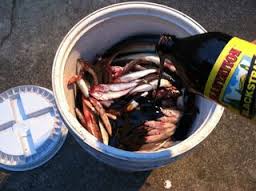
As a response to environmental concerns on global warming, a movement was started promoting the “organic” way of life. It essentially encourages people to lessen their carbon footprint by consuming organically grown foods and even growing their own organic gardens, among others. While some people found it easy to grow their own food, others who were not used to the gardening and farming way of life found it rather challenging. Thankfully, there is an abundance of information shared by concerned individuals on how to start organic gardening and farming. One of the most useful information, however, remains to be how to make homemade fertilizer because it will be greatly needed if the plants are to survive.

First: Soil Test

The first thing one has to do before proceeding to even gather materials to make fertilizer is to test the soil. This is very important because it will help give an idea of what nutrients the soil lack and what type of fertilizer ingredient can help supplement it. This can be done by getting a sample to a professional in a soil-testing laboratory who can test it for a fee. Once the soil is tested and the lacking nutrients, if any, are determined, gathering materials would be the next step.

Readily Available Materials

There are a lot of materials that can be used in making fertilizers at home. These materials can be easily found mostly in the kitchen. Examples of such materials would be eggshells, coffee grounds, vegetable peelings, fruit peelings, molasses, and tea grounds. Some other materials are the less pleasant smelling ones because it involves wastes such as horse, chicken, or basically any kind of animal manure. Dog, cat and rabbit droppings have been recommended by gardeners as well. The availability of manure as fertilizer materials will, however, depend on whether you live in or near a farm or you own at least one or two of those animals.

Particular Uses

It goes without saying that materials for the homemade fertilizer will first have to be gathered. However, if there is a particular type of plant one is working on, it might be a good idea to do some reading on what type of plant the materials are best for. For instance, coffee grounds are particularly best for plants that need much acid such as roses, tomatoes, and blueberries. Banana peelings work wonderfully for roses too. Egg shells help peppers and tomatoes produce a robust yield. Vegetable peelings work best for cucumbers, roses, cabbages, and leafy greens. Rabbit droppings, when mixed with other materials, help wonderfully with growing tomatoes.

How to Grow Your Own Food With Backyard Gardening

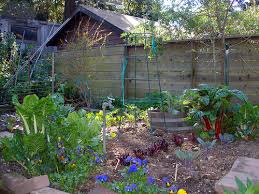
If you still aren’t convinced, consider these benefits of backyard gardening:

Improve your family’s health. Eating more fresh fruits and vegetables is one of the most important things you and your family can do to stay healthy. When they’re growing in your backyard, you won’t be able to resist them, and their vitamin content will be at their highest levels as you bite into them straight from the garden. Parents, take note: A study published in the Journal of the American Dietetic Association found that preschool children who were almost always served homegrown produce were more than twice as likely to eat five servings of fruits and vegetables a day—and to like them more—than kids who rarely or never ate homegrown produce.

Save money on groceries. Your grocery bill will shrink as you begin to stock your pantry with fresh produce from your backyard. A packet of seeds can cost less than a dollar, and if you buy heirloom, non-hybrid species, you can save the seeds from the best producers, dry them, and use them next year. If you learn to dry, can, or otherwise preserve your summer or fall harvest, you’ll be able to feed yourself even when the growing season is over.

Reduce your environmental impact. Backyard gardening helps the planet in many ways. If you grow your food organically, without pesticides and herbicides, you’ll spare the earth the burden of unnecessary air and water pollution, for example. You’ll also reduce the use of fossil fuels and the resulting pollution that comes from the transport of fresh produce from all over the world (in planes and refrigerated trucks) to your supermarket.

Get outdoor exercise. Planting, weeding, watering, and harvesting add purposeful physical activity to your day. If you have kids, they can join in, too. Be sure to lift heavy objects properly, and to stretch your tight muscles before and after strenuous activity. Gardening is also a way to relax, de-stress, center your mind, and get fresh air and sunshine.

Enjoy better-tasting food. Fresh food is the best food! How long has the food on your supermarket shelf been there? How long did it travel from the farm to your table? Comparing the flavor of a homegrown tomato with the taste of a store-bought one is like comparing apples to wallpaper paste. If it tastes better, you’ll be more likely to eat the healthy, fresh produce that you know your body needs.

Build a sense of pride. Watching a seed blossom under your care to become food on your and your family’s plates is gratifying. Growing your own food is one of the most purposeful and important things a human can do—it’s work that directly helps you thrive, nourish your family, and maintain your health. Caring for your plants and waiting as they blossom and “fruit” before your eyes is an amazing sense of accomplishment!

Stop worrying about food safety. With recalls on peanut butter, spinach, tomatoes and more, many people are concerned about food safety in our global food marketplace. When you responsibly grow your own food, you don’t have to worry about contamination that may occur at the farm, manufacturing plant, or transportation process. This means that when the whole world is avoiding tomatoes, for example, you don’t have to go without—you can trust that your food is safe and healthy to eat.

Reduce food waste. Americans throw away about $600 worth of food each year! It’s a lot easier to toss a moldy orange that you paid $0.50 for than a perfect red pepper that you patiently watched ripen over the course of several weeks. When it’s “yours,” you will be less likely to take it for granted and more likely to eat it (or preserve it) before it goes to waste.

Even if you don’t have big backyard—or any yard for that matter—you can still grow food. Consider container gardening if you have a sunny balcony or patio or an indoor herb garden on a windowsill. You’ll be amazed at how many tomatoes or peppers can grow out of one pot.